Broadcast Journalist. Analysis and stories from around Europe.
Author: andrewiconnell
Covering the political and economic news from in and around Europe, analysing how events and rhetoric in the continent are shaping - and threatening - its future.
Producer at Sky News.
MA Broadcast Journalism graduate, Cardiff University.
Languages undergraduate, King's College, Cambridge
French, Spanish, Catalan, Portuguese & Ukrainian.
Currently learning German & Italian.
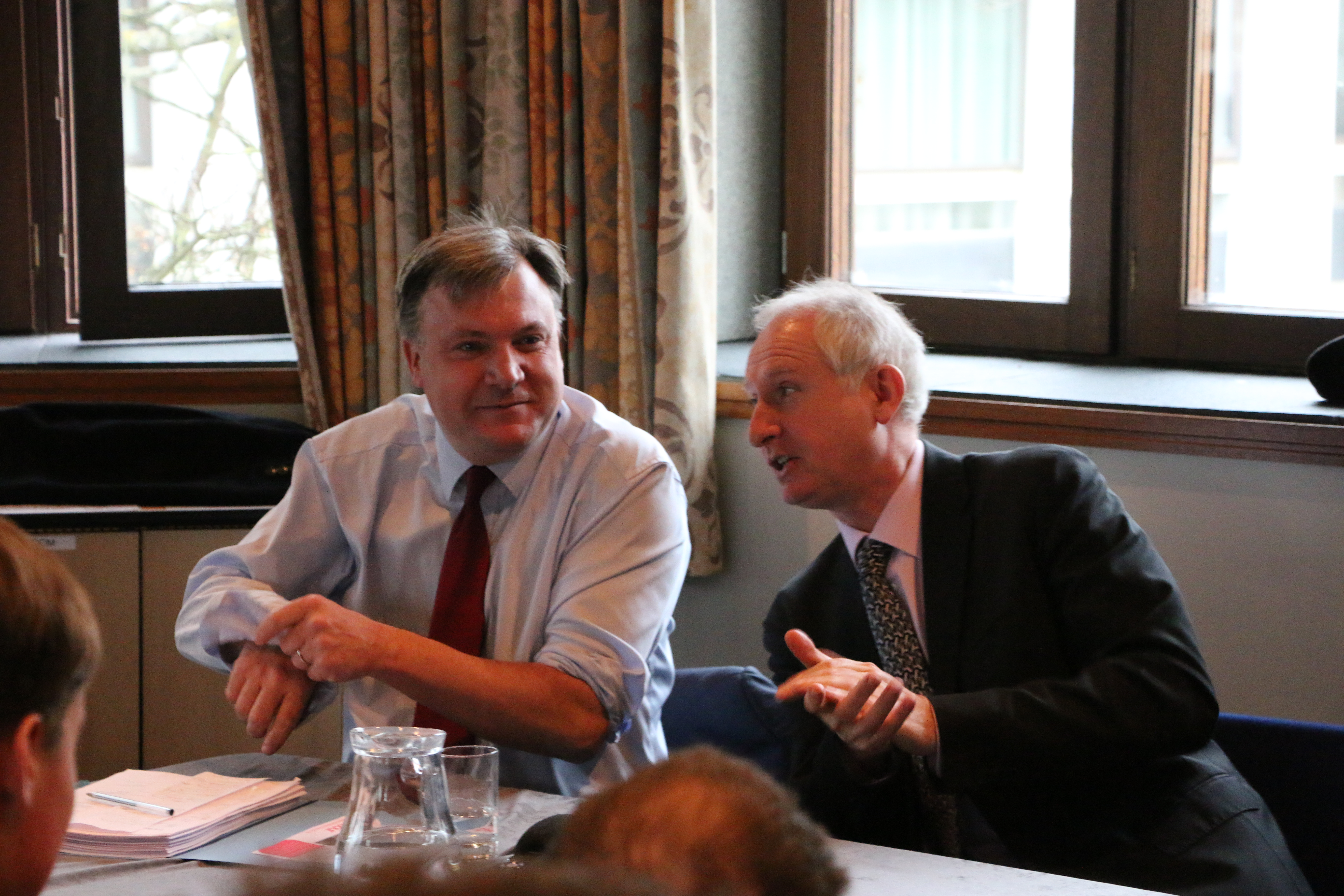
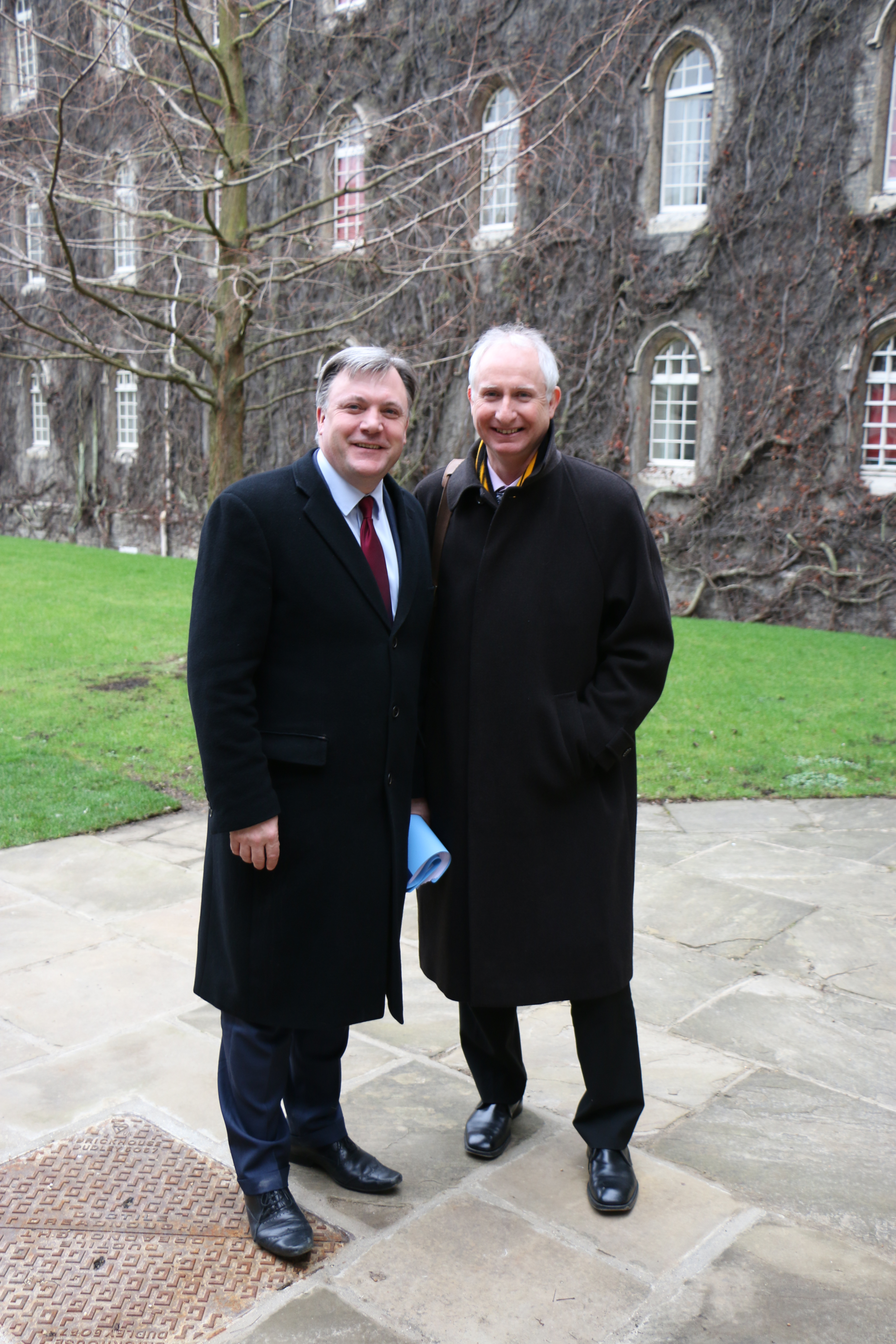
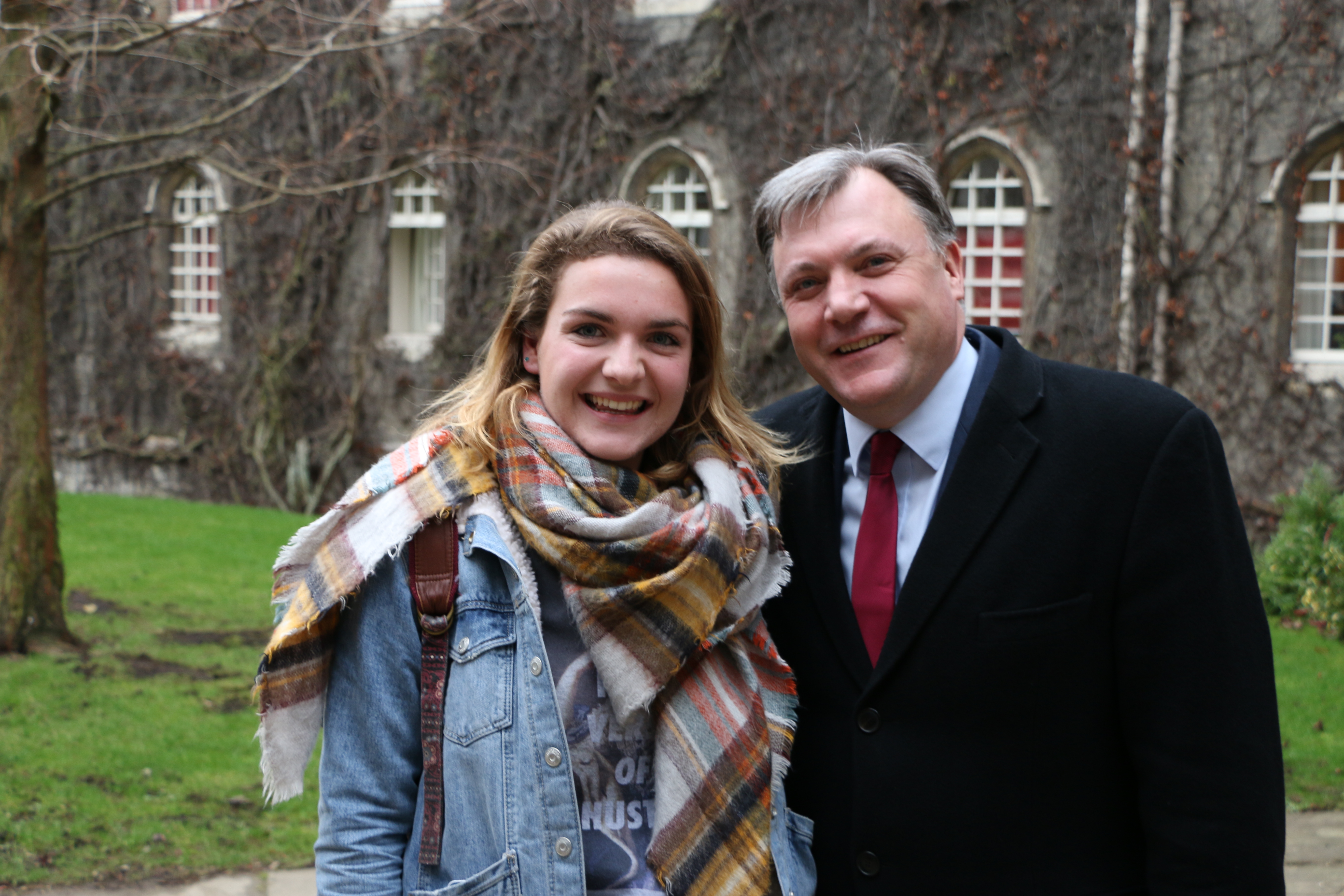
On Thursday last week, the Shadow Chancellor Ed Balls visited Cambridge to speak to students and members of CULC (Cambridge University Labour Club). I accompanied Varsity’s News Editor, with whom I co-ordinated questions, to St John’s, to take photos for what was going to be the following day’s front page. I then wrote up the article quickly, with additional reporting from the News Team, to make it in time for printing.
Here is the article and some of the photos I took:
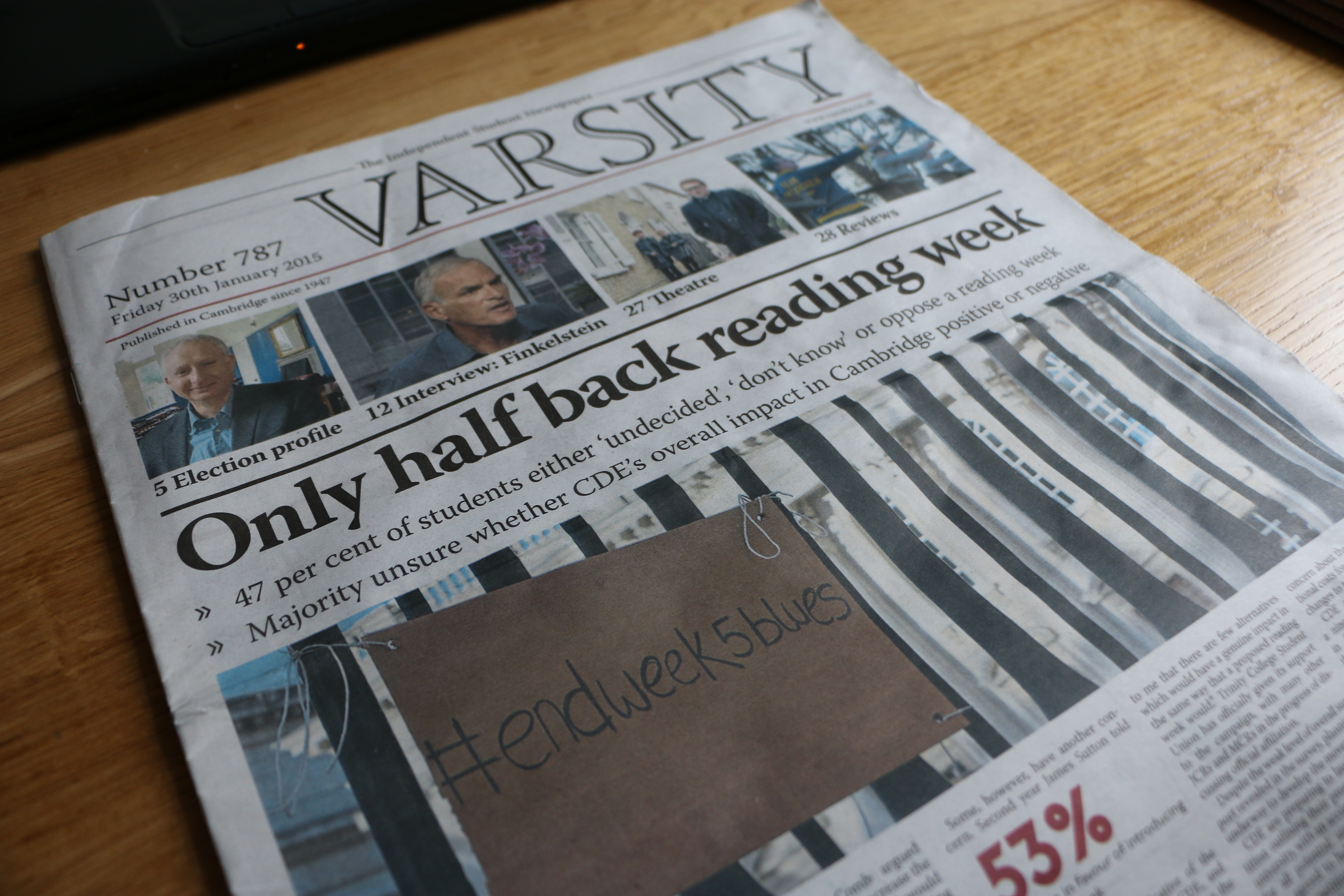
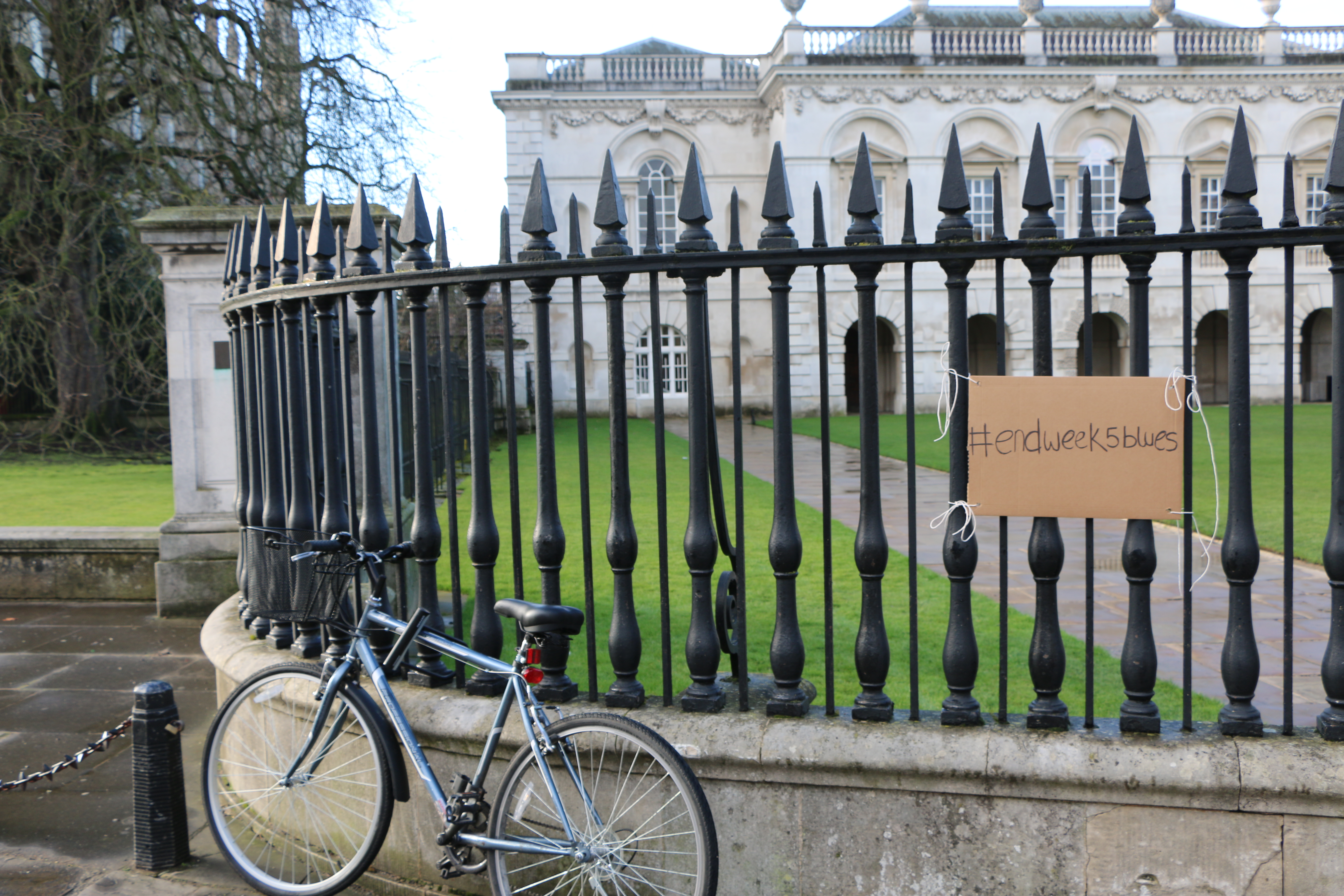
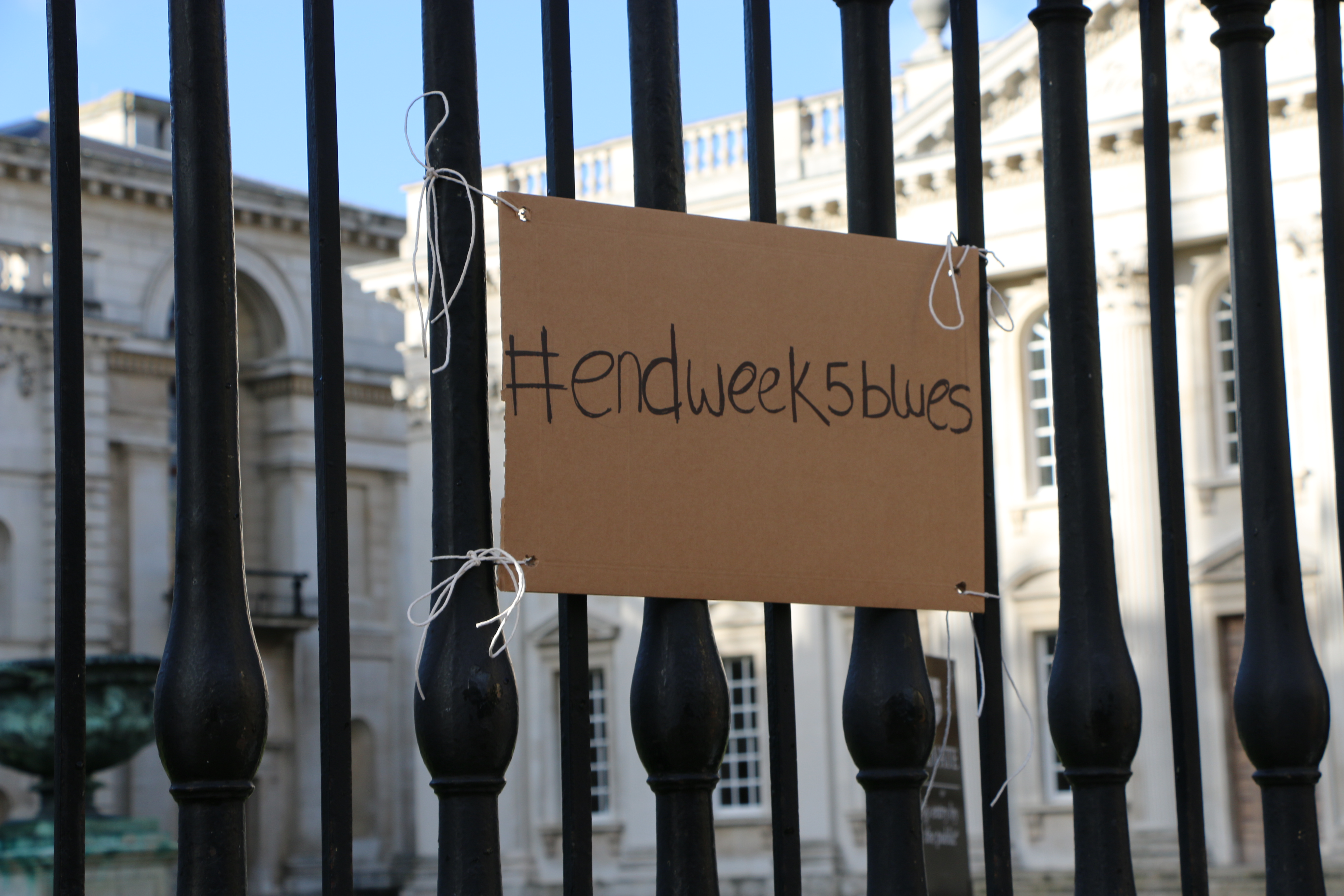
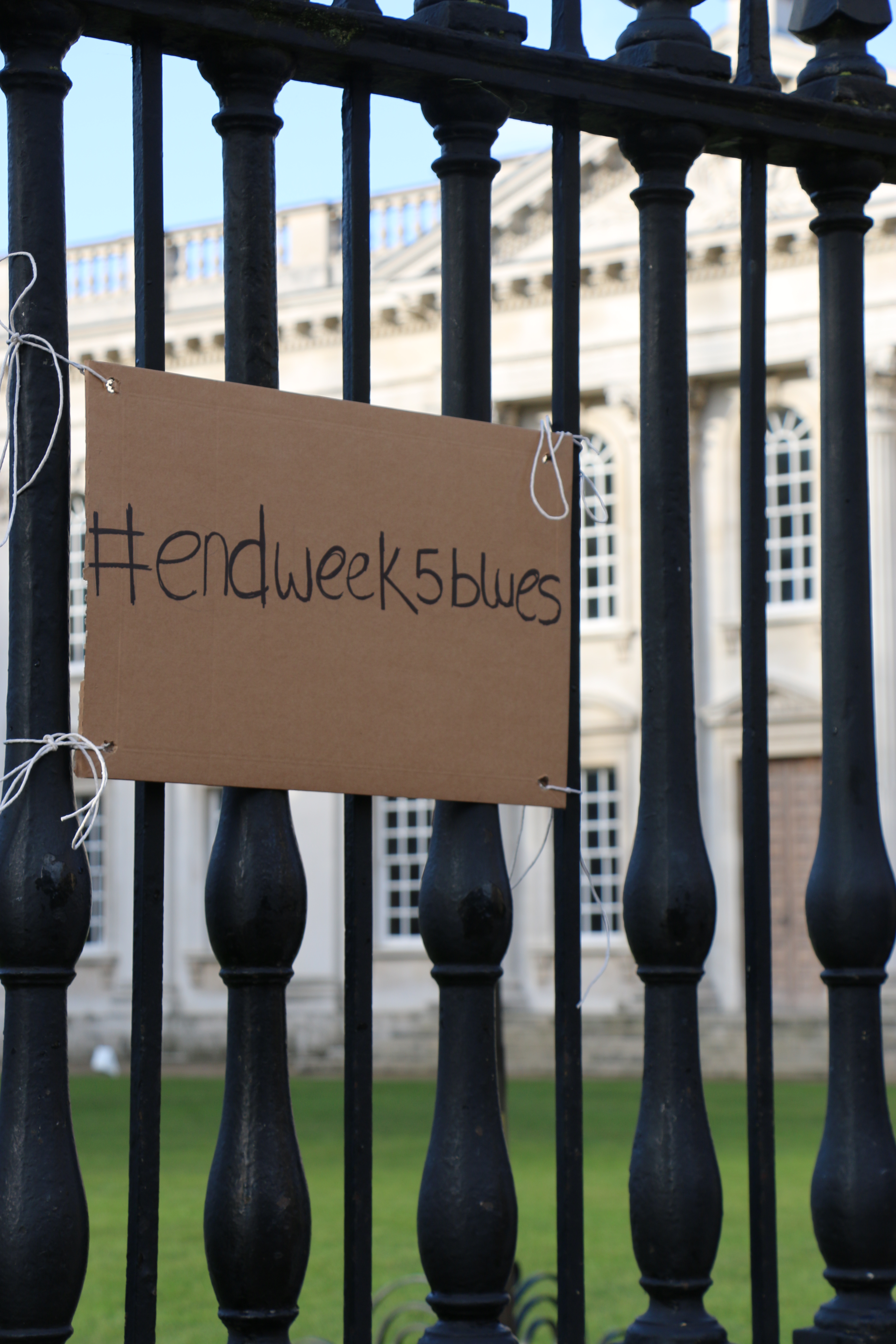
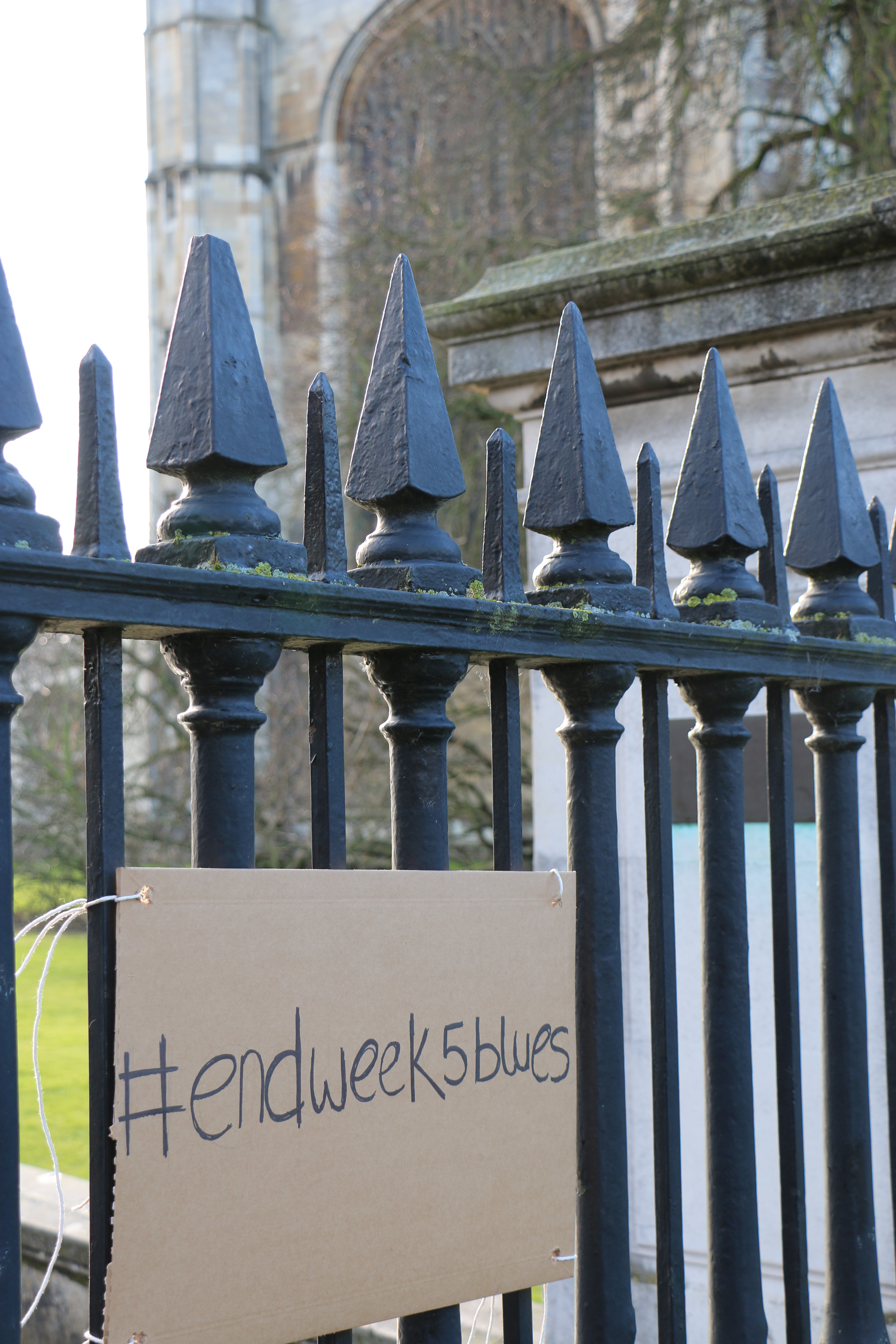
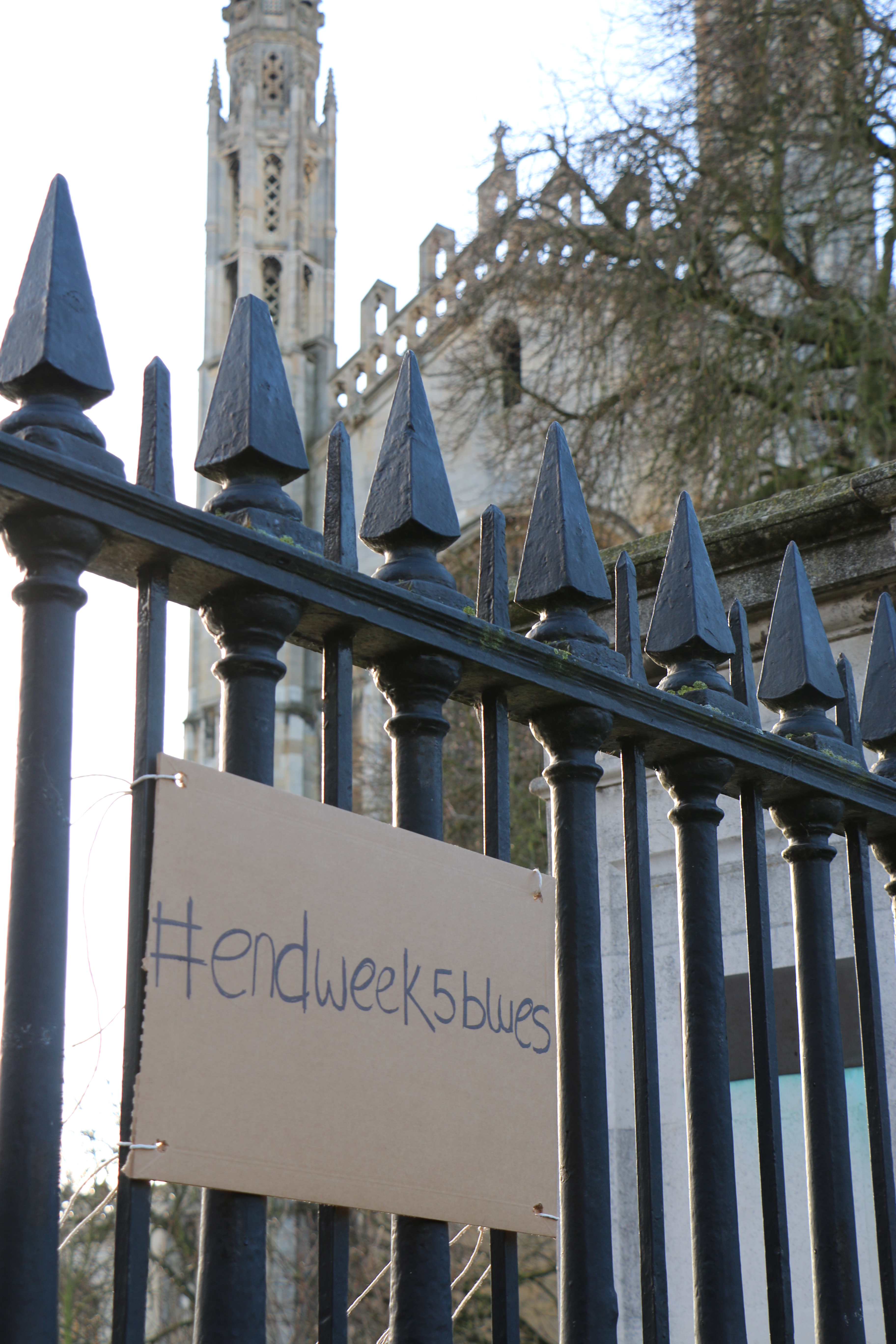
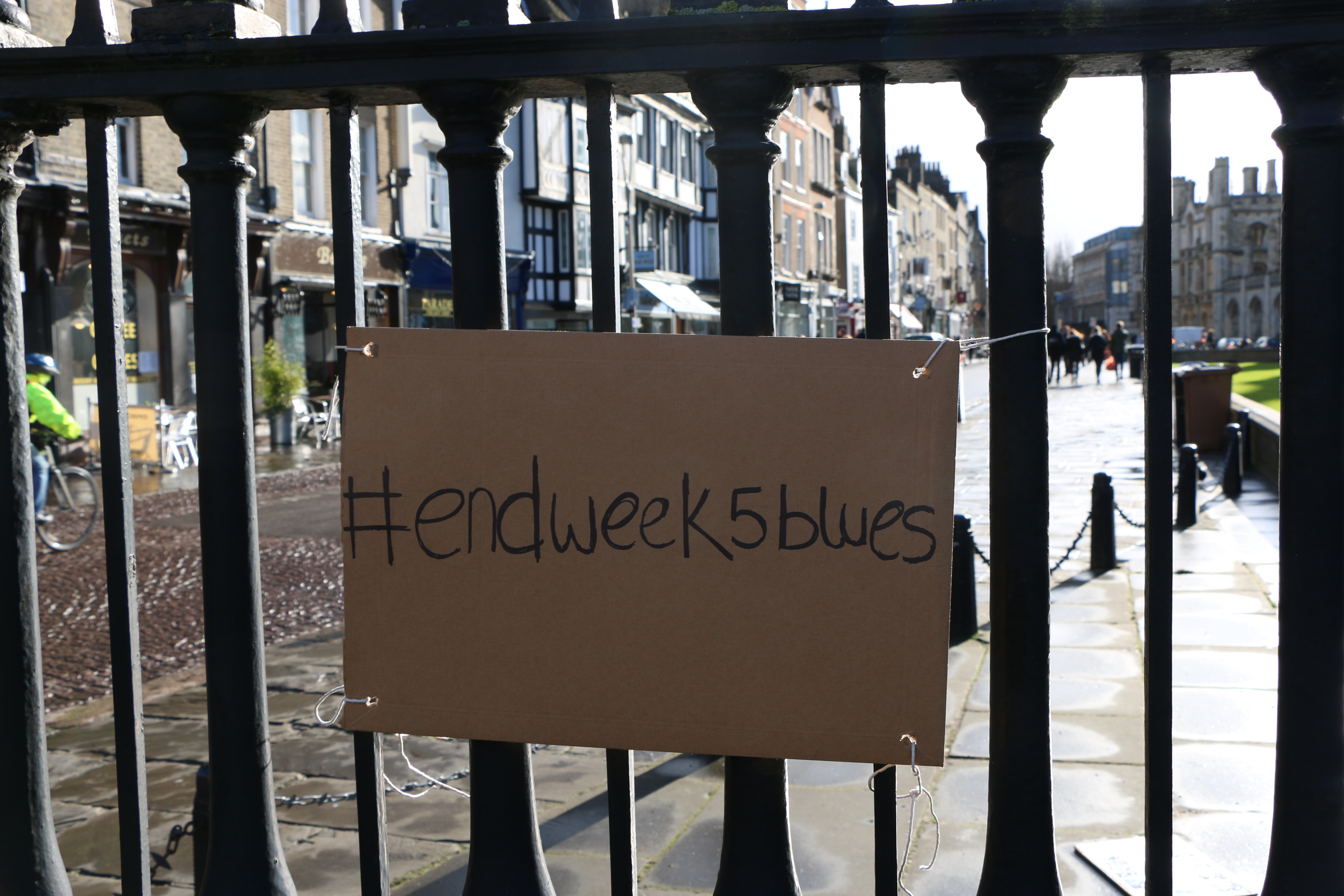
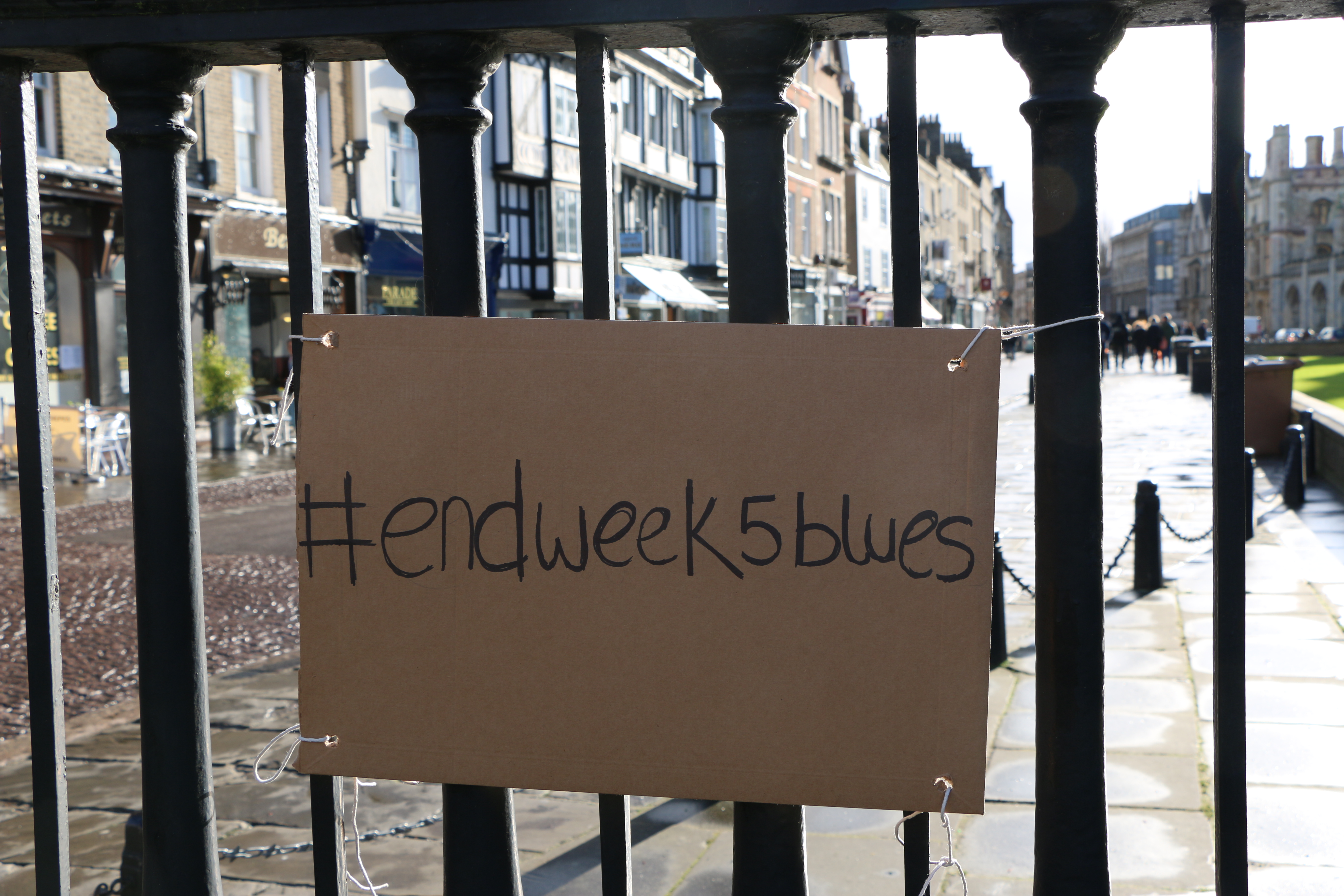
Following a short photo-shoot on Wednesday, my photo made the front page for Varsity. I’m hoping more will come this term from my photography, especially in following the End Week 5 Blues campaign in the next few months.
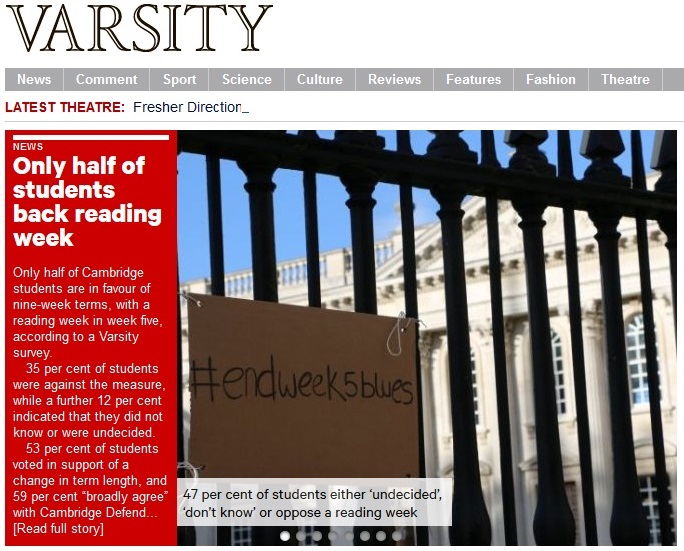
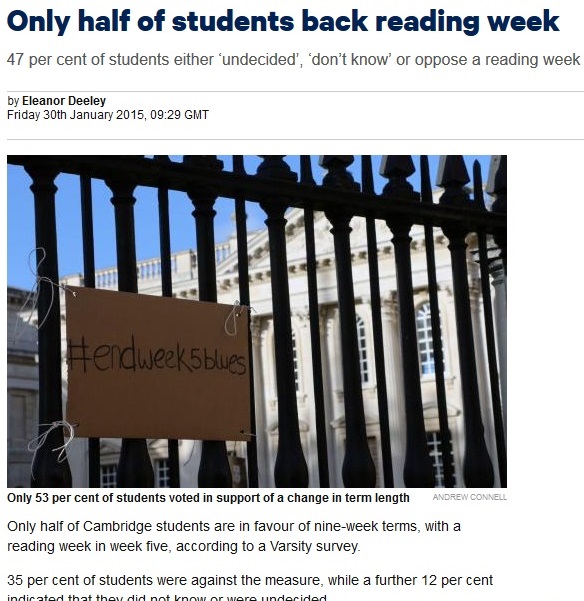
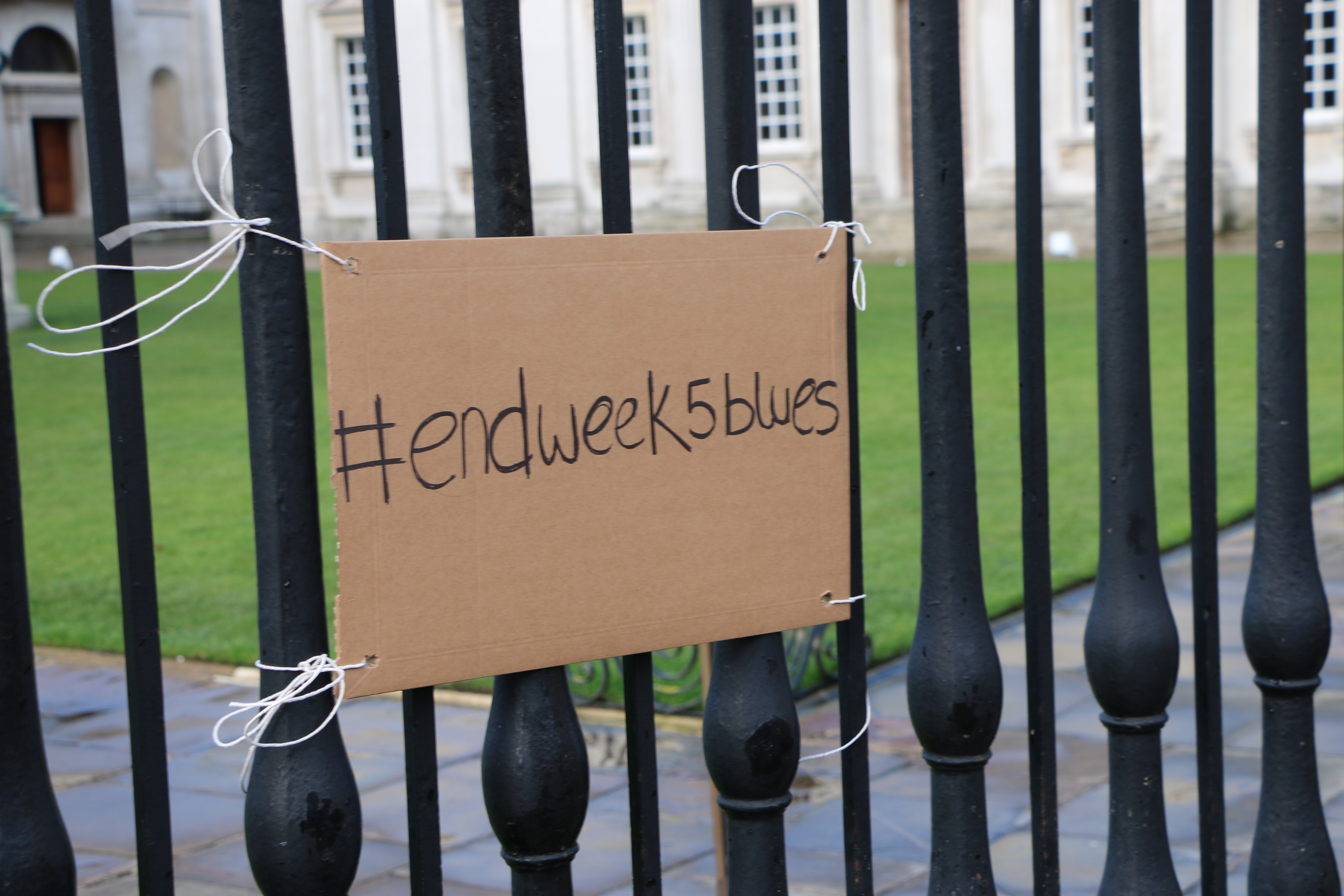
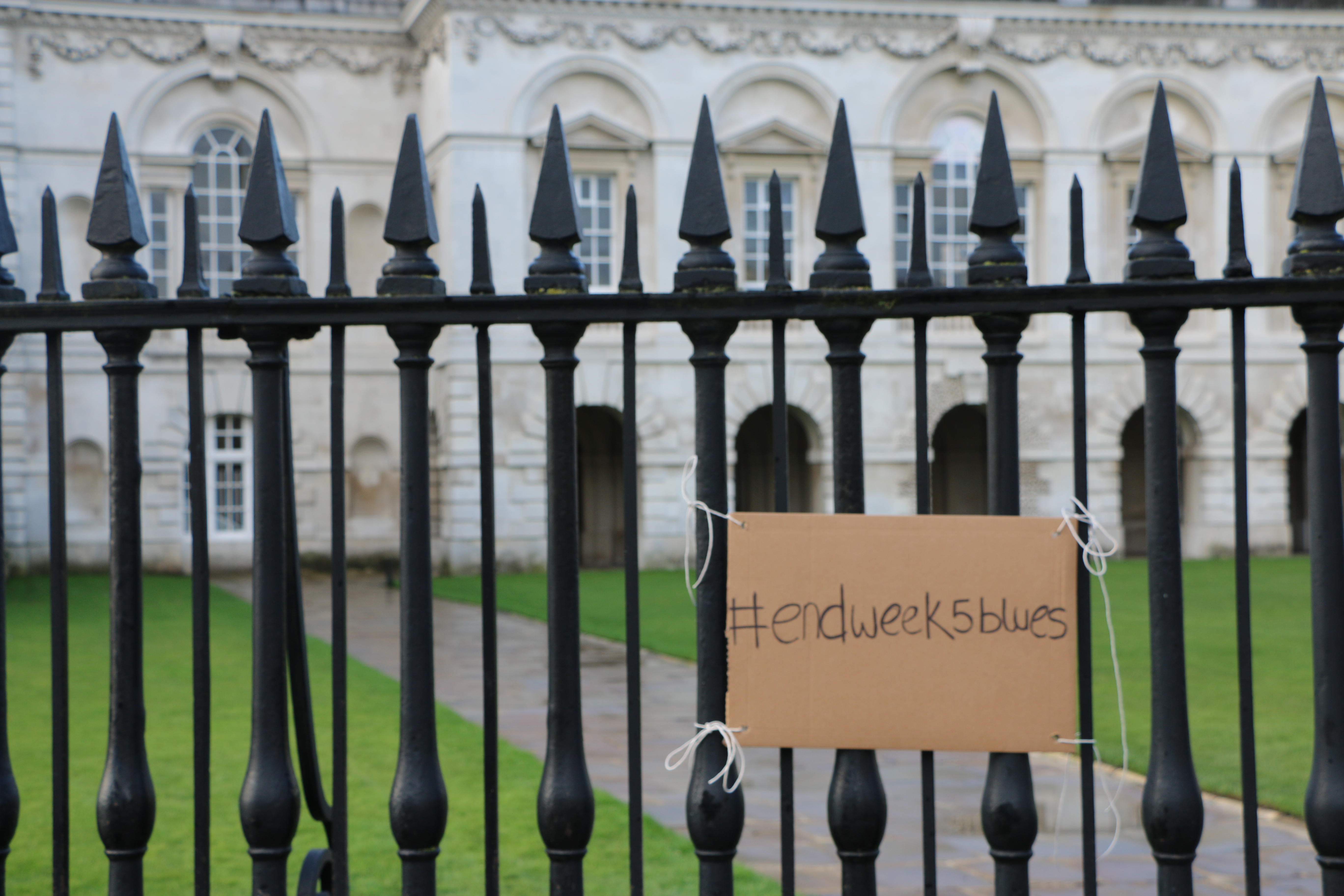
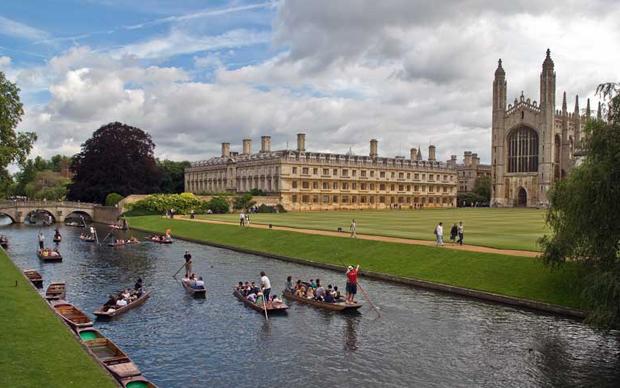
I was asked yesterday by Varsity’s Editor and News Editor to accompany them on King’s Parade to take some ‘staged’ photos to use for this week’s cover of Varsity. The story is about introducing a reading week into Cambridge’s 8-week terms, on the basis that it would better support students with disabilites or mental health conditions, as well as giving all students time to explore their subject further without the pressure of work. It was a particular windy day but then the sun came out! I used manual focus on the camera to get a shallow depth of field and thought about the backgrounds very carefully, producing a mixture of landscape and portrait shots. Here are some of the results:
I entered 2015 with the prediction that one of the biggest European stories would be the flow of migrants from war-torn areas of the world, mainly in the Middle East, to European shores. This was most pronounced just before the turn of the New Year. Blue Sky M was a Moldovan vessel carrying nearly a thousand migrants, mainly from Syria, which had been abandoned by its crew. Italian coast guards brought the ship to Gallipolli safely. Then, two days later, a ‘ghost ship’ named Ezadeen containing some 450 migrants turned up in the Adriatic, later brought ashore by the Italian coast guard. The boat had again been abandoned by its crew. It seemed this would be, as it has been already, a recurring story with an ever greater threat to life and a burden to European states with already lots to worry about.
Italy was and will be seen as the most vulnerable target in what is now a lucrative business for smugglers, but dramatic scenes have also been witnessed in the Spanish enclave of Melilla in Morocco, where migrants have been seen jumping fences and overwhelming border postings. As numbers of migrants and asylum seekers fleeing conflict in places like Syria continue to swell, we are brought back to the bloodiness of the conflict there which is now entering its fourth year, with no sign of an end.
For the events in Paris and the deaths of 17 people, they serve as a reminder of the greatest scourge emanating from the Middle East: ISIS. The killers were influenced by ideology coming from the so-called state, including one, Amedy Coulibaly, swearing allegiance to the organisation in an online video. Coulibaly is believed to have travelled to Madrid days before the attack, during which he was shot dead. His widow, Hayat Boumedienne, travelled to Madrid on the 2nd January, before travelling to Syria via Turkey six days later. An intelligence failing, many will be thinking.
The number of Europeans fighting for ISIS, according to an estimate from September 2014, totals over 3,000. That figure rose rapidly throughout last year, and EU’s counter-terrorism chief Gilles de Kerchove said at the time: “”The flow has not been dried up and therefore possibly the proclamation of the caliphate has had some impact.”
The majority of fighters, he said, were from from France, Britain, Germany, Belgium, The Netherlands, Sweden and Denmark but a few are coming from Spain, Italy, Ireland and now Austria.
“Even a country like Austria I think has now foreign fighters, which I was not aware of before,” he said.
As major European capitals such as London, Madrid and Berlin seek to protect public buildings, public transport and similar high-profile targets, who would ever think that the next threat to peace in Europe after the horrific attacks in Paris would be the small Belgian town of Verviers?
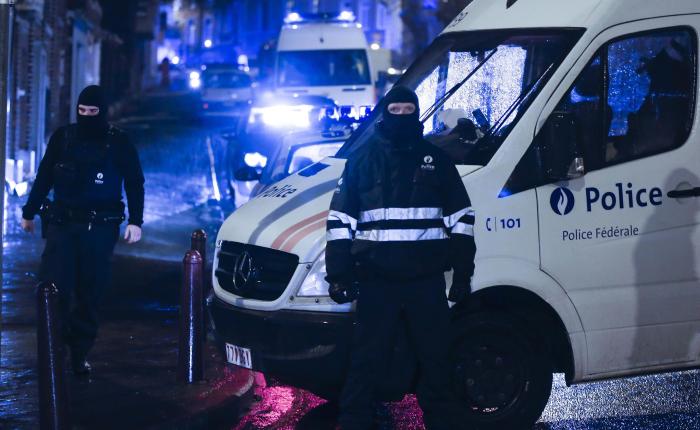
Reports suggest that Belgian police had been tracking the two suspected jihadists who were killed yesterday and stopped them before it was too late. Their plan was to kill police “on public roads or at police stations,” according to the federal prosecutor at a press conference this morning.
And in Berlin, two men have been arrested on suspicion of recruiting fighters and procuring equipment and funding for Islamic State in Syria. German police were keen to point out this was part of a months-long investigation into a small group of extremists in Berlin. Though the threat is in itself worrying, some peace of mind is gained from the fact that authorities were already aware of these two potential incidents. Lessons might be learnt in Paris from the two Kouachi brothers having been on UK and US no-fly lists, in addition to their previous convictions, but the arguments over mass surveillance and the extent to which states can anticipate attacks is far from over.
Back to France, where in the wake of the Charlie Hebdo attacks, police in Paris have been pursuing a number of suspects who allegedly supported the Islamist gunmen behind the attacks in Paris. They are currently being questioned about “possible logistical support”, such as weapons or vehicles, that they could have given the gunmen. Again, this shows a renewed effort by Europe to confront what seems to have been a simmering problem for many nation states.
Away from the headlines of economic insecurity and poor growth for the continent, the topic of conflict in a globalised, connected world is what will undoubtedly mark this year. The potential for attacks, even the likelihood, has been raised across Europe. It will be the feared unknown at the forefront of our minds.
One final prediction
It seems already that there is another threat not just to Europe but to the world. Cyber attacks to French websites since the Paris shootings number around 19,000, more than a week following the attack on the Charlie Hebdo offices. The head of France’s cyberdefense for the French military said some of these had been carried out by well-known Islamic hacker groups. Arnaud Coustilliere pointed to “structured groups” that used tactics like posting symbols of jihadist groups on companies’ websites. Websites for small businesses, like pizza delivery or gardening. Hardly ones which could affect national security. With this in mind, It seems that the threat is all but overstated for now, though as I write this, there is breaking news that the sites of French public radio station France Inter, as well as newspapers Le Parisien, Marianne and L’Express have all been taken down. For now, it could be a suspected attack, but it could equally be an inocuous server fault. Could cyberterrorism bring a great threat of danger to countries around the world? The momentum for such attacks is already underway, though governments, already aware of the problem, seem to be gathering preventative measures.
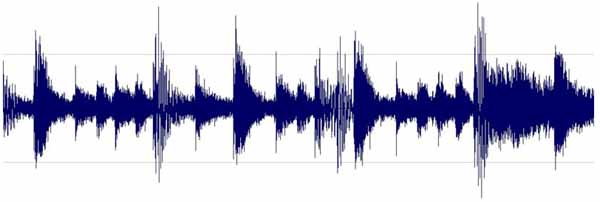
Another chance to put my voice to my writing. Please find below a 3-minute version of my blog on early elections being called in Catalonia, edited in Audacity.
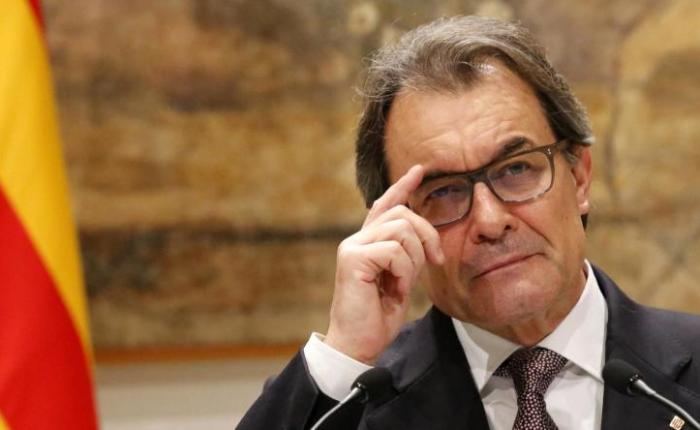
They shook hands and smiled for today’s newspaper front covers, but it has been of little surprise that for months Catalan president Artur Mas and coalition partner Oriol Junqueras have been in public disagreement to bring forward local elections in Catalonia, which are likely to reignite the momentum for independence in the region. It is being seen by many as an independence referendum by another name. Junqueras in fact said that they are elections to make a new country.
Speaking to Catalan public television tonight, Artur Mas said that yesterday’s negotiation brings a degree of stability and unity to his politics this year. He said: “With the circumstances of the last few weeks, we were headed for political suicide.”
Comments from Spain’s Prime Minister Mariano Rajoy outright described the negotiation as a sign of failure. Mas rebuked: “The failure is his intransigence. The failure is stopping the Catalan public from being able to decide. He continued: “Who fails – the one who goes to the ballot box because he isn’t allowed to do anything more or the one who doesn’t allow him to?”
Spanish Prime Minister Mariano Rajoy declared early elections in Catalonia a “failure”. Credit:Elpuntavui
The disagreement centred on whether the coalition government in Catalonia – made up of Mas’ CiU and Junqueras’ ERC parties, would run together or separately. The latter was accepted, though the two will offer one single “road map” for independence in the campaign. Not having the shared election list, which means that the parties will run not on a joint list but against each other, is a blow to Artur Mas, but he maintained that it would not affect the unity of pro-independence parties.
Voting in the region in last year’s European Union elections brought a great upsurge for Oriol Junqueras’ ERC party, with 24% of the vote, while Mas’ CiU came a close second with 21%. There will be some concern that President Mas may lose votes to coalition partner Oriol Junqueras, given the popularity of his hard-line independentist ERC party, which has maintained pressure on Mas since November’s consultation. This came to a head at the end of 2014 as Junqueras gave the President a 15-day ultimatum to call elections, which would have otherwise taken place in 2016. They are the third since 2010.
President Artur Mas may well face his electorate in September having been charged by Spain’s attorney general. He is currently the subject of a legal case charged with disobedience, perverting the course of justice, misuse of public funds and abuse of power following November’s vote, which is currently being studied by Spain’s constitutional court. When asked about this possibility, Mas said: “I prefer not to imagine it, but if it happens, I’ll confront it. Having a legal case against you for having completed my electoral pledge and for having achieved my parliamentary mandate is for me an honour.”
Dates make for great symbolism in this year of several elections, including local polling across Spain in May. In Catalonia, voters will go to the polls on 27th September, a date significant for being a year since Catalonia’s non-binding consultation on independence was formally agreed. It received strong opposition by Spain’s government in Madrid. On the November day of the vote, more than two million people turned out, of which 80% voted “yes, yes” to questions of Catalonia being a state, and an independent one at that. Campaigning for the 27th September ballot will begin on Catalonia’s national day – La Diada, on the 11th September, which has for many years brought millions onto the streets in symbolic gestures of support for independence.
What’s more, it will be little more than a month before Spain votes nationally in a general election, amid great uncertainty for the moment as to who will become the country’s next leader. Podemos are looking to capitalise on their rise nationally by breaking into local parts of the country. Several polls have already placed them top, meaning that leader Pablo Iglesias is in the running for being the country’s next Prime Minister. With many political corruption cases ongoing and a far from certain economy recovery, many Spaniards have abandoned the mainstream parties to support Podemos, which only a year ago was little more than a political movement.
The outcome of this national election will likely dictate where Catalonia can go next. A win by incumbent Mariano Rajoy will bring little change: he has no time for negotiation with Artur Mas. Rajoy will be going into the election on the selling points of stability and unity for Spain. Rajoy said of the agreement: “It makes absolutely no sense.” Meanwhile, for the socialist party PSOE, its leader Pedro Sanchez has said that he wishes to make Spain more federal, allowing regions like Catalonia greater autonomy. Finally, Podemos’ leader has said that while he supports Catalans going to vote for its independence, he straddled the fence by saying that he would prefer Catalonia to remain within Spain.
Catalans go into 2015 facing three separate elections, as a nine-month election campaign seems to have already begun. With polls continually in flux nationally but a hard-line independence politics developing in Catalonia, there will be plenty for Spaniards and Catalans to think about and hope to influence when turning up to the ballot boxes.
A quick article I wrote for Varsity, starting off the print editions to come in the Lent Term.
The University has received a “landmark” donation of over £400,000 which will go towards supporting at least ninety undergraduate students from disadvantaged backgrounds.
A total of £427,500 from the Reuben Foundation has been pledged for the next five years for the award of new Reuben Bursaries, with the sum being equalled by the Cambridge Bursary Scheme.
The University’s Vice-Chancellor, Professor Sir Leszek Borysiewicz, said of the donation: “I’m delighted the Reuben Foundation has enabled us to provide these bursaries, which will make a significant contribution towards the accommodation and subsistence costs of studying at Cambridge.”
“A Cambridge education is a transformational experience, and their generosity will help ensure that basic living costs do not prevent talented students from benefiting from it.”
CUSU’s access and funding officer, Helena Blair, said: “’The prospect of financial difficulties and debt forms one of the largest barriers to people considering higher education as an option. It’s not only about affording living costs – students should have the financial security to thrive equally within their education and access the many opportunities that Cambridge has to offer.”
“Sufficient financial support from a variety of sources including the Cambridge Bursary Scheme is crucial to achieving this, particularly in the case of students from lower-income backgrounds.”
The Reuben Foundation was set up in 2002 by the Reuben Brothers – David and Simon Reuben – two Indian-born businessmen and philanthropists. The two rarely ever give interviews or appear in the media. The brothers were ranked second in Forbes’ List of billionaires in the UK in 2013 and own a substantial portfolio of UK properties. Both have previously donated to the health and education sectors.
In a statement the brothers said: “We are delighted to see the continued expansion of the Reuben Scholarship Programme, and look forward to a long partnership with Cambridge which will benefit many bright students over the coming years.”
The University has recently received donations from several other foundations which aided the construction of new buildings, including the Department of Chemical Engineering and Biotechnology. Philanthropy has also helped the refurbishment of the synthetic chemistry laboratory, as well as in the field of research.
Becky Nunn, Access officer at King’s, said: “A bursary can have a massive impact on students receiving it, helping them access as many of the opportunities offered to them whilst studying here as possible, and often significantly reducing the extra stresses which can be placed on a student when finances are a particular issue.
“We hope this donation will help to support more students in this way, and make their experiences of Cambridge even better.”
Simon, a student at King’s, who receives a Cambridge Bursary, said: “Receiving a bursary means that I don’t have to worry about accommodation costs, buying food or missing out on the range of social opportunities that there are on offer. I’m incredibly grateful to all of the donors and Cambridge’s commitment to break down financial barriers that may stop students studying at university.”
A university spokesman said: “Gifts are made by people and organisations who share Cambridge’s commitment to excellence through academic freedom and autonomy. Each one of these gifts represents an act of support that is deeply appreciated.”
When pressed yesterday, David Cameron said that having his planned EU referendum before the end of 2017 would be all the better. He refused to be drawn on what stance he would pick as of today, and denied the chance for cabinet members to take their own personal stance on pro- or anti-Europe in the event of a vote. In his first interview of 2015, Cameron reinforced that his changes would not only make Britain better, but in a not so modest vein, would make Europe better too.
With such a traditional election campaign already in motion, fought between the Conservatives and Labour on the economy and the NHS, how much space will Europe end up occupying? Nigel Farage is sitting quiet so far – he will have to produce a manifesto with much more than just Europe on the table – but how long before he throws his hat into the ring and pressurises Cameron and the election rhetoric into broaching the topic of the EU? If last year gave the first signs of a UKIP building itself up for the election, when several Conservative MPs and many more voters not only flirted with UKIP but deserted the Tories, Cameron’s UKIP nightmare is set to worsen.
Current benefits
Was David Cameron’s logic right when he argued so strongly that by controlling benefits fewer EU migrants would come to this country? Many political commentators dismissed this as overly simplistic, and in any case, is Cameron even right to limit his view of “problematic” migrants as being just from the EU? He may be forgetting a sizeable number of EU migrants who are simply here to work, regardless of benefits. A UCL study from November revealed that European migrants pay out far more in taxes than they receive back in benefits. That is to the tune of £4.96 billion each year since 2011, making it a net contribution of £20 billion so far. Cameron would surely not argue with how well he says the UK has recovered. In this way, the highly skilled and educated migrants that the study says are coming to Britain are no more than taking advantage of the country’s upbeat economic figures and the growing number of jobs on offer.
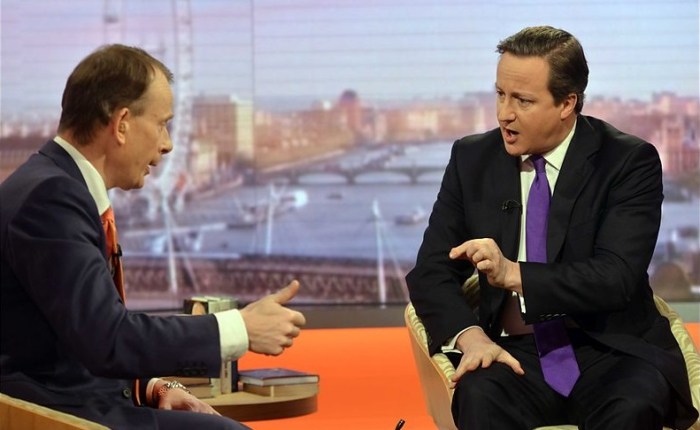
In the interview with the BBC’s Andrew Marr, Cameron renewed Conservative efforts to bring down Britain’s debt and deficit, in order to, as he says, prevent massive cuts to health such as in Portugal or Greece, where cuts of 16 or 17 per cent have been made, again according to Cameron’s figures. Britain can only ever be strong if Europe is too, and Cameron went on to say that influence, trade links and access to European markets from being in the union are invaluable for the country’s recovery.
He later outlined his current thinking on benefits for EU migrants: no unemployment benefit full stop, migrants would be kicked out if they can’t find a job within six months, and tax credits would only come after residing in the UK for four years and paying enough into the system. Cameron was asked several times over on where he stands on a cap on EU migrants – it sounded like he had let that idea go, but he didn’t say it. How Cameron phrased it was: “Those things [change in welfare system for EU migrants] I believe would achieve a reduction in, in migration…” It is a not-so-convincing line of argument.
“The most important thing of all is being able to make changes to the welfare system,” he told the Mail on Sunday. “The key areas are safeguarding the single market, getting out of ever-closer union, being able to veto regulations and a package of measures on welfare.”
(Re-)negotiation
David Cameron has put a two-year window on the table in which he wishes to re-negotiate Britain’s relationship with the European Union, an ever closer relationship which Cameron says he wants to get out of. This would require treaty change, and therefore a vote, which would have to be agreed unanimously between the union’s 28 member states. Angela Merkel a year ago ruled out retouching any of the treaties.
When David Cameron sits down with Angela Merkel later on in the week, the topic of Europe will be needless to say highest on the list. The Euro at a nine-year low against the dollar, the possibility of a Greek exit, so say some, if or indeed when, Syriza are elected into the Greek government at the end of January, the likelihood of quantitative easing starting within the 19-member currency, and last but not least, Putin’s tactics this year in Ukraine. All in all, it is a perilous mood that David Cameron has to contend with as Europe – and the UK’s biggest trading partner – enters into 2015.
What to watch out for then when Angela Merkel arrives in London on Wednesday … Will she be set back by the anti-EU feeling that there is in the UK, at the same time when she is having to confront right-wing forces, albeit less than comparable to UKIP, that nonetheless threaten relations between different ethnic groups? Newspapers are calling it a “love-hate relationship”, whilst another says “Angela Merkel underestimates how toxic Europe is for David Cameron’s UK voters”. This might just be the final time David Cameron and Angela Merkel can share their grievances together as heads of government, and neither is known for mincing their words on the topic of Europe at least. Yet for all of the worrying, David Cameron can rest easy in knowing he’s not the leader who will be micro-managing Europe’s precarious year ahead.
I set myself the challenge of writing a concise analysis of Spain’s year in 2014, with a look at how the country’s next year will shape up. It will be a year of elections and plenty of political excitement, set against a Europe which is still far from mended.
Any comments, please do tweet me @andrewiconnell. I’d love to hear your thoughts.
They come and go so often that Spaniards of today are no longer surprised by their political class. One word that is synonymous with Spanish politics today is corruption, and it appears in the TV news and newspapers every single day. This distrust in politicians and their true motives may surprise but goes no way to placate the Spanish population.
As 2014 closed, there were more than 2000 corruption cases in Spain, ranging from national to regional levels of government, and equally in the royal family. Spain’s monarchy had little trouble in dealing with the transition of power from Juan Carlos, the towering figure of Spain’s ideological transition, to his son Felipe VI. The case surrounding Princess Cristina, the King’s sister, whose husband is accused of obtaining millions of public funds, which then implicated her on tax fraud charges, may force her to renounce her accession to the throne, and disgrace the family name. In 2015, expect more corruption being picked apart by Spain’s media, but don’t be surprised. Unfortunately, Spain seems to have become accustomed to such debauchery.
Political indignation was a movement that started in Spain back in 2011. Today, it is coming back to haunt politicians most recently following the passing into law of the so-called “Ley Mordaza” – the gagging law. Its content for many Western democracies is eyewateringly draconian. Fines are levied for taking photos of police officers, as well as demonstrating outside government buildings, and it has driven many thousands onto the streets to voice their opposition. It is being seen as an attempt by the conservative government to silence its critics for their handling of the financial crisis. The fight for rights in Spain’s civil society will continue well into 2015.
One story that caught the attention of the Spanish media has been that of pequeño Nicolás, or little Nicolas. It has played out like a movie thriller – there well may be an idea there. A boy of 20 years old, accused now of forgery, fraud and identity theft, allowed himself to rub shoulders with influential members of Spain’s governing party, to the point that Nicolás managed to somehow shake hands with Spain’s monarch, Felipe VI, during his coronation. The pale-faced law student – who hardly ever attended classes – has appeared in countless photographs crowding PP party politicians, including questionably closed-door meetings in party headquarters. Nicolás hired bodyguards, yachts and flash cars in order to pretend to live a high, double life, and allegedly posed as a member of Spain’s secret security forces. Did Nicolás’s infiltration into high political and economic circles lead to any influence? How was it that such a shadowy and young figure was allowed to get so close to politicians? A debate about trust in politicians has already started, as waves of public indignation continue to abound with ever greater magnitude.
Pequeño Nicolás: the thriller (Credit: Telecinco)
It has also been quite the year for the Catalans. After a non-binding vote in November, talk in the region surrounding calling early elections and shared ballots is continuing. What could once have been seen as a perfect political marriage between Catalan president Artur Mas and coalition partner Oriol Junqueras is starting to produce more difference and disagreement. Demands for early elections are numerous, and look to be coming down the way in May. With absolutely no offer of an olive branch from Spain’s prime minister, Catalan independentists will be continuing to look around Europe for allies and specifically to Brussels to grant them a democratic means of recognising desires of independentistas to break away from the rest of Spain.
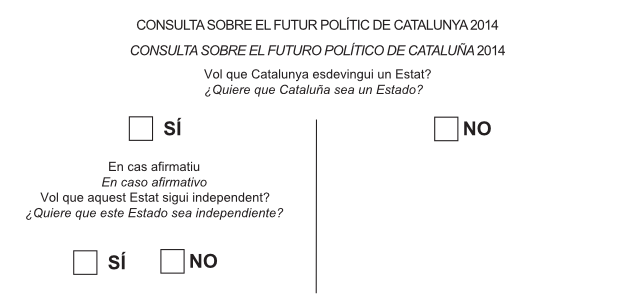
In terms of the popularity of independence in Catalonia, data from The Guardian has shown it’s a rising cause, though polls over the years have arguably pegged yes and no fairly level. A later poll in 2014 pushed no ahead of yes for the first time, but it is still very close to call. For its detractors, what marked November’s consultation were those who didn’t turn to the ballot. They may have been too scared to vote since the vote was deemed illegal; they might have thought it wasn’t worth voting because it was non-binding. These arguments work for both the yes and the no camps. Those who did turn out, more than two million of them, voted resoundingly yes-yes to the questions of whether Catalonia should be a state, and if so, should it be independent. I predict results of the early elections in the region will send out a very powerful message of increased support for independence, at the very least from sheer frustration.
Yes or no? Catalans voting in non-binding consultation in November (Credit: Wikipedia)
Catalonia reached levels of international consciousness in this symbolic referendum through the media – an event that spoke as loud as the crowds did when gathered on the streets of Barcelona during Catalonia’s national day on September 11. This year a V for victory and vote marked the celebration. International consciousness of their cause is equally key for independence to gain further ground.
Much of what can or could happen in Catalonia will be debated in anticipation of the national election towards the end of 2015 with each party gesturing and speechifying, but only when all the cards are on the table and Spain knows exactly who will be governing them will Catalans know either way how close or far they are from gaining a definitive referendum. What will also decide Catalonia’s politics is the outcome of an ongoing legal case which has implicated Catalan president Artur Mas and several allies for illegally carrying out November’s consultation. Artur Mas in his New Year speech bemoaned the fact that the vote should have opened a route for political dialogue, not a legal dispute. The fact that Mariano Rajoy said nothing in anticipation of the vote and allowed it to happen was telling enough of the Spanish prime minister’s way of handling what he says is a side issue which has been growing because of, and not despite, the economic crisis, in his words. The results held no credibility for him.
One more thing that is central to Catalonia’s independence and a sweetener for the rest of Spain: constitutional reform. This is the current stumbling block stopping Catalans from voting, as currently all of Spain would have to be consulted on independence. The leader of the Socialist party says that by reforming the Magna Carta his party will create a more federal Spain, allowing other regions more local powers, but not so far as to allow Catalonia to vote on its own future. Podemos has straddled the two sides: they recognise Catalan and Basque desire for a right to vote, but oppose Catalan independence. The party’s leader said he wants to continue to build Spain all together.
In an election year, it is no cliché to say that it is all to play for. While Prime Minister Mariano Rajoy claims that the crisis is over and Spain is well on its way to recovery thanks to his strong governance, Spain’s now tripartite political scene has produced opinion polls that in recent months mean it is very close to call a winner in next year’s general election, expected in November. They have been tussling over economic figures and questioning the recovery, as well as bandying around the perennial need for “change” in Spain.
What the media has been calling the Podemos “phenomenon” could be to some extent a victim of its own success. With increased popularity – which the party undoubtedly has garnered – there has come greater scrutiny, in a year in which the movement became a party, gained a leader in Pablo Iglesias, and outlined some of its key measures, several of which it had to revise. Its rise has been astronomical to say the least. Populism has been spreading across a Europe which has experienced huge change politically from the start of the crisis, with more questioning of austerity and how countries can move away from the spectre of long-term European deflation. Can Podemos, having won five seats in the European elections in May, stand up to the bigger, more established parties and assert itself with a wide range of credible, not pie-in-the-sky, policies? Even the most seasoned of political commentators can never with complete certainty predict elections, and Spain is no exception. A lot can happen in the next year, and for all three main parties, mere points in opinion polls will be keenly fought over.
Spain’s new leader/university professor? Podemos leader Pablo Iglesias (Credit: Elmundo.es)
What Podemos may find hard to achieve on the European stage is credibility. By virtue of being such a new party which formed from a movement with members who are more at ease in lecture halls than parliament buildings, Brussels will undoubtedly eye this party with great uncertainty, as it is already doing with Syriza, the left-wing juggernaut in Greece. With Spain still on such an uneven economic footing, which many would say is as a result of painful, unfair and ignorant cuts and political decisions, Podemos is likely to rattle market confidence in Spain’s ability to become a fully convalescent patient in Europe. In its battle for hearts and minds, Podemos would win tomorrow. It’s not difficult to see that the need for Podemos, in a crisis which not only has political and economic facet but a huge social one, was long overdue. Its grass-root formation may just win it for them and be a shot in the arm for the European project and Spain’s traditional parties who couldn’t have expected a huge shake-up in Spain’s political scene.
This year saw the Socialist party gain a new leader in Pedro Sánchez, who is using Spain’s 1978 Constitution as a means of encouraging reform and a new start for Spain’s democracy. He is pushing Spain’s political classes on transparency, in a year which has seen most parties, according to research, become far less opaque with the voting public. Podemos meanwhile says that while the transition to democracy in Spain is now history, its legacy has produced a political climate built on mistrust and corruption.
Spain’s unemployment won’t be moving for a while yet (Credit:Thecommentator.com)
Another cliché: it’s all about the economy. This may be somewhat of an exaggeration, but economic prosperity will be a key battleground in the election. Is everybody benefiting from Spain’s recovery? Definitely not. Does the recovery even exist? According to the data at least, mostly. While growth is heading upwards – and the Economy Minister Luis de Guindos very happy to vaunt Spain’s growth figures for next year of 2% – unemployment will remain both stubbornly and depressingly around the 23% level that it has been around for a while. Youth unemployment the same. On a recent trip to Madrid, I listened to rousing and heartfelt addresses to trains and metros by those touched by unemployment, eviction, huge money troubles, ultimately requesting spare change. One woman even laid packs of tissues on seats with a note explaining her sorry predicament. Passengers bow their heads and avoid eye contact, seemingly far too used to these undignifying, desperate, yet polite, calls for help.
Perhaps the biggest issue for Spain, and for Europe, will be the waves of immigrants from unstable and war-torn parts of the world. Scenes from Spain’s enclave of Melilla in Morocco of immigrants storming border fences are a reminder of how close the European continent is to North Africa and the Middle East, where the savagery in Syria and elsewhere is allowed to fester. Countries in Europe are now the place of refuge for several hundred thousand people. The debate around how Europe handles the humanitarian disaster leaking from conflict is going to be increasingly important, as the war in Syria moves into its fourth year. It will require the work of many nations.
A tough year ahead for Europe as war-torn countries produce thousands of migrants (Credit:eldiario.es)
Though much of Spain’s news this year has been of domestic significance, the rise of Podemos, the battle for independence in Catalonia, trust in politicians, and economic recovery are themes that are springing up all around Europe going into 2015. Not only is their outcome hard to predict, such problems will also take more than just one year to mend.
I’m heading back to Cambridge today for my final year of my languages degree. It’s quite stressful packing up again and getting ready for what will be a busy year of study, but I’m delighted to be getting back to see my friends and familiar surroundings once again after a great year in Barcelona.
I do apologise if the blog is neglected somewhat for a while – I fully expect to be snowed under once again with lots of reading and essays to do, which may well affect my ability to write regularly.









 Andrew Connell